
Are you interested in nose enhancement? Let’s explore rhinoplasty, a surgical procedure that reshapes the nose for aesthetic and functional purposes. Also known as a nose job, it corrects structural issues and enhances facial symmetry.
Rhinoplasty’s science involves understanding nasal structure, bone and cartilage repositioning techniques, and achieving balance and proportion. Surgeons customize the procedure to each individual’s needs. With medical advancements, rhinoplasty has become precise, offering confidence and well-being.
Understanding The Anatomy Of The Nose
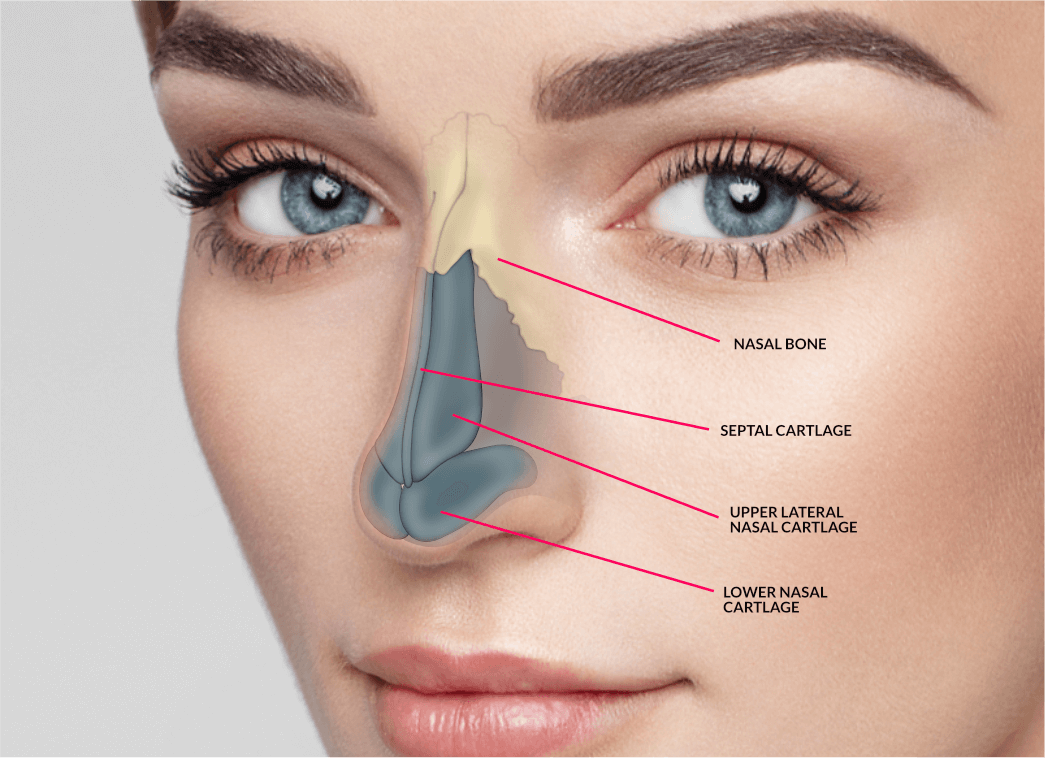
Understanding the nose’s anatomy is crucial for grasping the science behind rhinoplasty. It is composed of bone, cartilage, and soft tissue. External components include the bridge, tip, nostrils, and wings; internal structures are divided by the nasal septum.
Bone and cartilage determine the nose’s shape and size, with nasal bones forming the bridge and cartilage supporting the tip. Nostrils, or alae, facilitate airflow. This intricate interplay guides successful rhinoplasty.
The nose’s role extends beyond function to facial aesthetics, influencing overall harmony and attractiveness. Skilled rhinoplasty surgeons in Plano consider these factors for optimal results.
Different Types Of Rhinoplasty Procedures

Rhinoplasty can be categorized into two main types: cosmetic and functional. Cosmetic rhinoplasty improves the nose’s appearance, while functional rhinoplasty addresses breathing difficulties and other functional issues.
Cosmetic rhinoplasty involves reshaping the nose to achieve desired aesthetic outcomes, such as reducing or increasing its size, refining the tip, straightening a crooked nose, or correcting a hump on the bridge. Surgeons employ cartilage grafting and osteotomies to achieve harmonious results that enhance nose beauty.
Many rhinoplasty procedures combine both cosmetic and functional aspects to optimize results. Surgeons tailor the procedure to each individual’s needs, whether the goal is aesthetic enhancement, functional improvement, or both.
Benefits And Risks Of Rhinoplasty
Rhinoplasty offers many benefits for those unhappy with their nose’s shape or function. It improves facial harmony and boosts self-confidence in social and professional settings.
However, risks like infection and bleeding exist. These can be minimized by choosing an experienced surgeon and following instructions carefully.
Realistic expectations are vital. While significant improvements are possible, perfection is rare. The goal is to enhance the nose’s natural beauty and achieve balance.
Finding The Right Surgeon For Your Rhinoplasty
Choosing the right rhinoplasty surgeon is crucial. Prioritize those with expertise and a successful track record in rhinoplasty.
Consider several factors: verify their credentials, review before-and-after photos, and ensure effective communication.
A good surgeon will listen to your goals and provide realistic assessments. Feeling comfortable and confident in their abilities is essential.
Preparing For Rhinoplasty Surgery
Proper preparation is vital for a successful rhinoplasty. Your surgeon will provide tailored instructions, but here are some general guidelines:
- Disclose your complete medical history, including conditions, allergies, medications, and past surgeries.
- You should maintain a healthy lifestyle before the surgery, including a balanced diet, regular exercise, and adequate rest.
- Quit smoking at least two weeks before the surgery to optimize healing and reduce complications.
- Follow any pre-operative tests or guidelines your surgeon recommends, such as blood work or imaging studies.
- Prepare your home for recovery by stocking up on essential supplies and arranging for assistance with daily activities.
Following these steps will help ensure a smooth and successful rhinoplasty procedure.
The Rhinoplasty Procedure: Step By Step
The rhinoplasty procedure is typically conducted under general or local anesthesia with sedation, depending on complexity and surgeon preference. Here’s a general overview:
- Incisions: Depending on the complexity and surgeon’s choice, incisions are made inside the nostrils (closed rhinoplasty) or across the columella (open rhinoplasty).
- Accessing nasal structures: The surgeon accesses bone and cartilage through incisions.
- Reshaping: Bone and cartilage are reshaped to achieve desired aesthetics, involving removal, grafts, or repositioning.
- Closing incisions: Incisions are closed with sutures; if inside the nostrils, no external scars are visible.
- Dressing and splinting: Nasal splints and dressings support and protect the nose during healing.
The procedure duration varies (1-3 hours) depending on the complexity. Post-surgery, patients are monitored in a recovery area before discharge.
Recovery And Aftercare Following Rhinoplasty
The recovery phase post-rhinoplasty is crucial for optimal healing and minimizing complications. Consider these key points:
- Manage discomfort: Expect swelling, bruising, and discomfort initially. Pain medication and cold compresses can alleviate discomfort.
- Follow instructions: Adhere to your surgeon’s post-operative guidelines, including medication adherence, activity restrictions, and maintaining nasal hygiene.
- Attend follow-ups: Attend all scheduled appointments to monitor and address concerns.
- Nasal congestion: Expect temporary congestion; avoid blowing your nose or strenuous activities.
- Protect your nose: Prevent accidental trauma by avoiding risky activities; follow your surgeon’s guidance.
- Patience: Recovery may take weeks to months; prioritize rest and nutrition and avoid smoking or excessive alcohol consumption for optimal healing.
By following these steps diligently, you can support your body’s healing process and achieve the best possible results from your rhinoplasty.
Common Complications And How To Avoid Them
Rhinoplasty, like any surgical procedure, carries potential risks and complications. Here’s how to mitigate them:
- Infection: Follow post-operative wound care instructions diligently and promptly report any signs of disease.
- Bleeding: Minimize activities that increase nasal blood flow; contact your surgeon if bleeding persists.
- Scarring: Closed rhinoplasty minimizes scarring; follow wound care instructions and protect incisions from sun exposure.
- Nasal asymmetry: Realistic expectations are crucial; communicate openly with your surgeon to set achievable goals.
- Breathing difficulties: Choose a surgeon experienced in functional rhinoplasty; monitor post-operative breathing and report any issues promptly.
While complications are rare, proactive measures and communication with your healthcare team can help ensure a safe and successful rhinoplasty experience.
Conclusion: Achieving The Nose Of Your Dreams
Your goals are realistic and achievable. Follow pre-and post-operative instructions closely to optimize results and minimize complications.
Rhinoplasty can be life-changing, providing the desired nose and renewed confidence in the nose. With careful planning and a skilled surgeon, facial harmony can be enhanced, and quality of life can be improved.


