
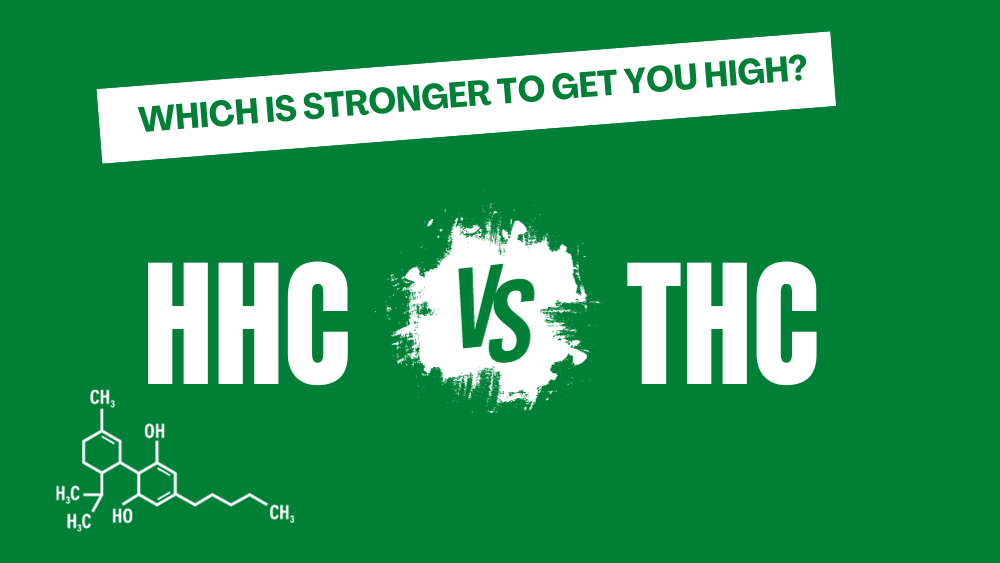
High Hydrogenated Carbon (HHC) has emerged as a promising cannabinoid compound within the cannabis industry, garnering attention for its potential psychoactive effects and therapeutic applications. However, with its growing popularity come a host of considerations, ranging from understanding its effects on consumers to the cultivation techniques employed by producers and the challenges faced by stakeholders in the HHC market. Does HHC Get You High? This comprehensive exploration aims to shed light on its effects, cultivation practices, and the hurdles encountered along the way
Effects of HHC:
Psychoactive Properties: HHC is reported to have psychoactive effects similar to other cannabinoids, albeit with varying intensity.
Therapeutic Potential: Some users claim that HHC provides relief from symptoms such as pain, anxiety, and insomnia, though scientific research on its therapeutic effects is limited.
Cultivation Techniques:
Cultivating cannabis plants rich in HHC requires meticulous attention to detail and adherence to advanced cultivation techniques. Many producers opt for hydroponic systems, which afford precise control over nutrient delivery and environmental parameters crucial for optimizing HHC content. Additionally, indoor cultivation facilities have become favored environments for HHC production, allowing growers to fine-tune factors such as lighting, temperature, and humidity to maximize yields and quality. By leveraging these sophisticated cultivation methods, producers aim to cultivate cannabis strains with consistent and potent levels of HHC, meeting the demands of consumers seeking reliable and high-quality products.
Challenges Associated with HHC Cultivation:
- Regulatory Uncertainty: The legal status of HHC varies by jurisdiction, leading to regulatory challenges for growers and producers.
- Quality Control: Ensuring consistent levels of HHC and other cannabinoids in cannabis plants poses challenges due to genetic variability, environmental factors, and cultivation techniques.
- Pest and Disease Management: Like other cannabis crops, HHC cultivation is susceptible to pests, diseases, and pathogens that can affect plant health and yield.
- Environmental Impact: HHC cultivation may have environmental consequences such as water usage, energy consumption, and habitat destruction if not conducted sustainably.
- Market Demand: Meeting the demand for HHC products while maintaining quality standards and compliance with regulations presents logistical and economic challenges for producers.
Bottom Line
HHC presents both opportunities and challenges for the cannabis industry. Does HHC Get You High? Understanding its effects, cultivation techniques, and associated challenges is essential for growers, producers, regulators, and consumers alike. By addressing regulatory uncertainties, improving quality control measures, implementing sustainable cultivation practices, and promoting research on its therapeutic potential, stakeholders can navigate the complexities of HHC production and contribute to the responsible and ethical development of the cannabis market.


